There’s no better time to start a clothing brand than in the new year. With New Year’s festivities and significant holidays like Chinese New Year approaching, many have a lot to spend and a lot of opportunities to start with. But how much does it cost to start a clothing brand in 2025? And is it still a worthwhile venture for you?
The answer can be a little bit complicated. With good planning and great partners, though, we firmly believe anyone can be a great brand owner. In fact, the cost can be surprisingly inexpensive–if you keep good track of your budget.
These are just a few things to consider when trying to figure out the cost to start a clothing brand:
- Production & Manufacturing
One of the first things to figure out in making a clothing brand is branding, but it won’t necessarily factor into your budget. Instead, your branding plans will decide your production and marketing choices, which will go into your financial planning. Ultimately, these factors are the main cost to start a clothing brand.
Production is a catch-all term that refers to every process required to create your products. We’ve talked a little bit about production in last year’s guide on how to start a clothing brand, but to recap, keep these in mind:
- Designs: If you’re not making your own designs, you’ll need to hire people to do so. The most important part is making tech packs for manufacturers. You can design your own apparel using free software, or hire a designer on places like Fiverr.
- Samples: Samples are prototypes for future products. Every clothing line needs a sample, so save around $20 to $300 for each new sample.
- Fabrics & Materials: Research the fabrics you’re using and how much they cost per meter or other quantity measurements. Accessories are also included here, like trims or zippers.
- Printing: Using different printing types is an easy way to stand out as a brand, though each print type varies in cost.
- Manufacturing Costs: Most new brands will work with manufacturers, which is essential considering how much value they provide. Take into account any MOQs and additional costs (i.e. rush orders) from the manufacturers.
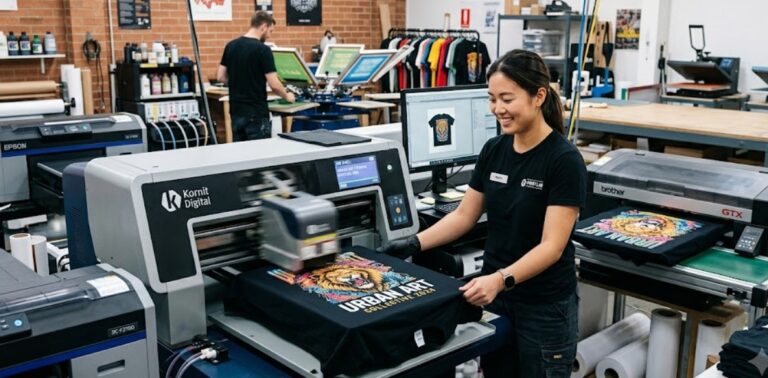
- Equipment: If you’re planning on creating apparel in-house, research the equipment you need and the regular maintenance repair costs. This includes different printing machines (i.e. embroidery, screen printing, heat transfer, etc.) and sewing machines.
Overall, all of these costs should account for 50-60% of your budget. The exact costs are more challenging to summarize when thinking of location and connections. Overall, you can expect the costs to start a clothing brand to be around $12,000 in Singapore (roughly S$16,500.) Doing the math, you can spare at least $6,000 or S$8,250 for production costs.
That being said, manufacturing costs can easily balloon for startups when they don’t know what they’re looking for. If you want to know the ins and outs of manufacturing, check out our guide on how to work with manufacturers.

2. Marketing
Marketing is a flexible but still essential part of the business. There’s no point in making a product if there’s no way for your customers to see it! This is why successful startup brands invest as much as 20% of their budget on marketing campaigns.
When thinking of budgeting in terms of marketing, consider these aspects:
- Advertisement & Promotion: Whether it’s search ads or YouTube ad videos, most platforms have dedicated services for promotion that quickly increase traffic and attention. Utilizing these services is a quick way to get eyes on your new releases–for a price. For example, Instagram charges $2.50-$3.50 for every thousand impressions an ad gets or $0.40-$0.70 per click.
- Content: Advertisement gets people to the door, but your content decides whether or not they open it. Research what platforms your target market frequents and what type of content does well on those markets. Videos? Written guides? Catchy carousels? Whatever form works best, invest in making great content using it. This can include product photography, video production, script writing and so on and so forth. (Looking for high-quality product photography for as little as $35? Check out Shirtual’s product image services!)
- Pop-ups and events: For apparel brands, offline marketing opportunities is essential to earning a place in the industry. Having a pop-up store in an exhibition or event hall allows potential clients to try and feel the quality of your apparel, and brings much more awareness beyond the digital sphere. Research trade shows or exhibitions and find out the costs of renting and decorating a booth. Typically, Singapore pop-up events rent out booths for S$300-S$800 a day.
Overall, you’re looking at around $2,400 or S$3,300 for marketing. These prices may increase or decrease depending on what your campaigns look like.
3. Legal Matters & Labor Costs
Most labor costs are also included in production, but some are included in legal matters. This includes trademarking, operations, and registering your business to the proper authorities.
The cost of these depends on the region, of course. In Singapore, it costs around S$315 to register a new company, not including other costs depending on the business type. Trademarking can also cost around S$280 to S$380. While it may not be the bread and butter of your business, it’s essential to factor these into the cost to start a clothing brand.
4. Shipping & Packaging
Now comes the final stretch–you’ve made your products and marketed them to interested customers. How do you send them out?
Shipping may seem straightforward, but it often comes with legal quandaries and complicated logistics. All of these can affect the cost to start a clothing brand significantly. Think of these things when deciding on your distribution:
- Packaging: Packaging is your customer’s first contact with your product, which will affect their impression of the brand. Investing in personalized printed packaging can go a long way for a new brand.
- International Shipping: If you’re shipping products internationally, you’ll have a lot of red tape to cover. You’ll need invoices, a bill of landing, documents for customs, an export license, and other bureaucratic material. On top of the 2-7 business day time shipping takes, international shipping can take a lot of time away from your branding plans.
Overall, shipping will take around 10% of a brand’s budget, depending on how big their operations are. If you’re new to the game and make mistakes during the customs process, it may cost even more to recover lost items or avoid delays in shipping.
Luckily, some merchandising and manufacturing companies offer to handle the costs of distribution and packing for you. Shirtual’s dedicated packaging and shipping department provides easy access to professional distribution. Need advice on shipping? Contact us here–consultations are free!

GET IN TOUCH