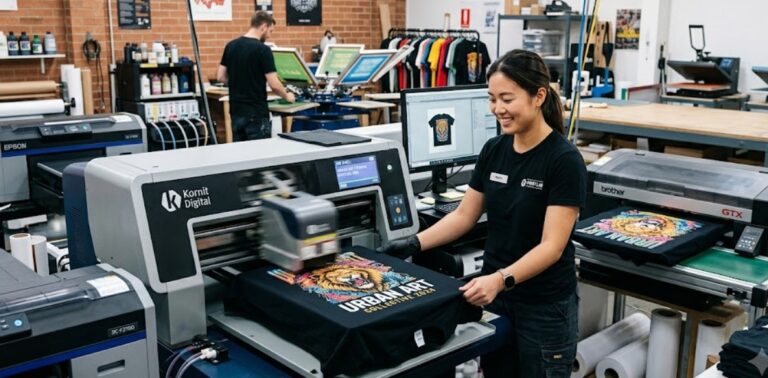
Choosing the right printing method can be the difference between a shirt that stays in the back of the closet and one that becomes a daily favourite. If you’re looking into custom apparel, you’ve likely come across two heavyweights: Direct to Garment (DTG) and Direct to Film (DTF). So, between DTG vs DTF, which one wins out?
While both use digital technology, they offer vastly different results in terms of feel, durability, and visual style. Here is everything you need to know to make the right choice for your next project.
DTG vs DTF: Choosing the Best for Your Brand
DTG vs DTF ultimately comes down less to quality and more to needs. Both are reliable printing methods used by brands and corporate entities across the globe, but their use varies. Here’s a breakdown you should consider before choosing any printing method between DTG vs DTF:
Direct to Film (DTF): The Bold and Vibrant Choice
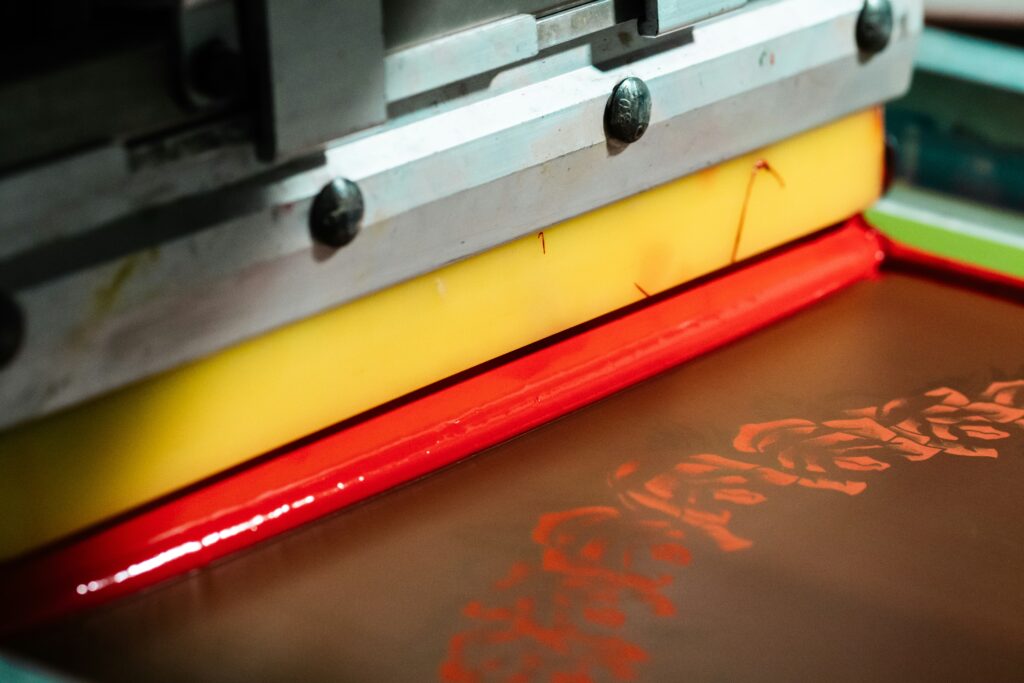
DTF is a fairly modern invention that solves a lot of the problems of screenprinting, DTG and heat transfers while bringing in some other challenges. It involves printing a design onto a special PET film, which is then transferred onto the fabric using an adhesive powder and heat.
In the discussion about DTG vs DTF, direct to film prints primarily bring the advantage of bolder colours, more affordable costs and more flexibility in fabric selection. Here’s a quick rundown on how it works:
How It Works
- Printing: Your design is printed onto a film using pigment-based inks (usually colors first, followed by a white underbase).
- Adhesive: A hot-melt adhesive powder is applied to the wet ink and cured.
- Transfer: The film is placed on the garment and heat-pressed.
- Peel: Depending on the film type, you perform a “hot peel” (immediate) or a “cool peel” (after cooling) to reveal the design.
Key Characteristics
- Best For: Vibrant, complex designs with fewer than three colours or “pop-lite” styles (like cartoons).
- Texture: It leaves a distinct, plastic-like layer on top of the fabric. While very durable, it can feel a bit “intrusive” to the wearer.
- Versatility: This is DTF’s superpower. It works on almost any fabric, including cotton, polyester, and blends.
Things to Consider
- DTF uses a film to apply designs onto fabric, so it adds an extra texture and weight to your apparel.
- DTF film may chip or peel over time without proper care or with low-quality application.
- Since DTF uses a solid-shaped film that usually has a white underbase, smaller details (i.e. pin-prick dots) are difficult to showcase without specialised tools or tricks.
Direct to Garment (DTG): The Seamless Professional
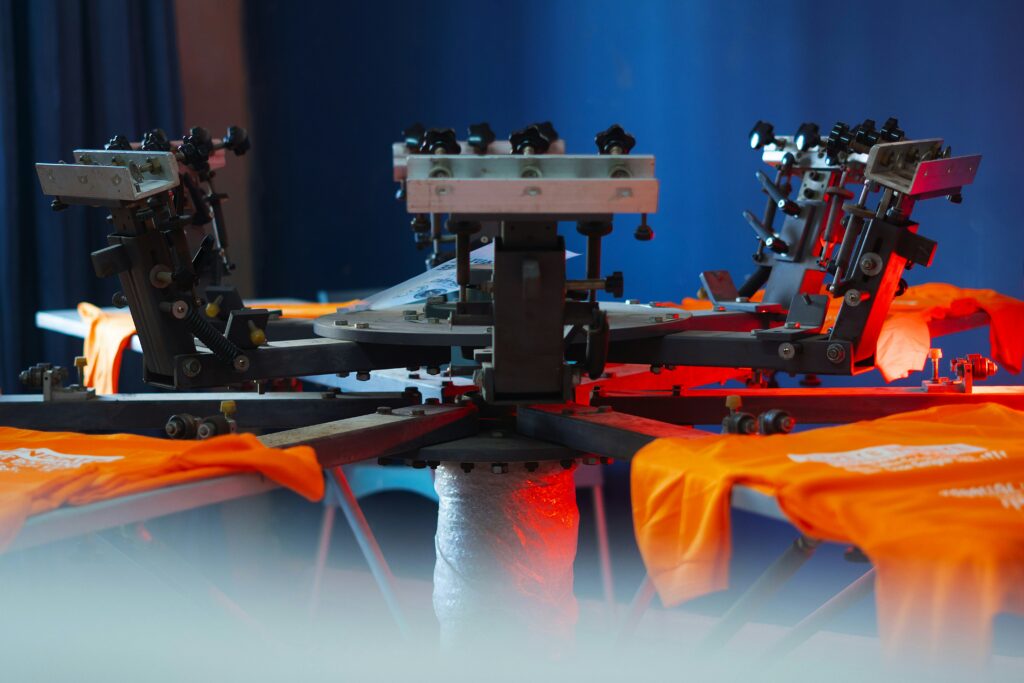
DTG is often described as a giant inkjet printer for clothes. Instead of sitting on top of the fabric, the ink is absorbed directly into the fibres, creating a soft, premium feel.
How It Works
- Pre-treatment: The garment is sprayed with a solution to help the ink bond.
- Printing: Water-based inks are sprayed directly onto the surface following the digital file.
- Curing: The garment is heat-pressed or sent through a drying tunnel to “lock” the inks into the fibres.
Key Characteristics
- Best For: Photorealistic images, pointillist styles, and designs with intricate details or “distressed/vintage” aesthetics.
- Texture: Almost seamless. You often can’t feel the print at all, especially on light-colored garments.
- Fabric Limits: DTG is picky. It works best on natural fibres like 100% cotton. The results on polyester are often dull or prone to bleeding.
Things to Consider
- DTG only really works with high cotton blends.
- High-precision DTG machines work best for very detailed graphic prints.
- Since the inks and costs of running the machine remain the same, DTG print prices tend to be consistently on the higher end in the market.
Quick Comparison: DTG vs. DTF
| Feature | Direct to Film (DTF) | Direct to Garment (DTG) |
| Vibrancy | Extremely high; “poppy” colors | Natural; can be faded or crisp |
| Feel/Hand | Plastic-like, sits on top | Soft, ingrained in fabric |
| Durability | High, but may peel/chip over time | High, fades naturally like the shirt |
| Fabric Type | Anything (Cotton, Poly, Nylon) | Primarily Cotton |
| Complexity | Great for solids and bold shapes | Best for gradients and fine details |
Which One Should You Choose?
Choose DTF if…
You want your colours to scream. If you are printing on polyester gym wear or need a small batch of hoodies with a bright, cartoonish logo, DTF is your best bet. It’s also the more cost-effective option for small-to-medium orders that require high-contrast “pop.”
Choose DTG if…
You want a premium, retail-quality feel. If you are launching a clothing brand with complex, photorealistic artwork or want that “vintage” cracked look, DTG is the gold standard. It is the preferred choice for high-end cotton tees where comfort is just as important as the design.
Pro Tip: If your design has tiny, floating details (like ash or fine dust particles), DTG is the only way to go. DTF requires a solid surface to “stick,” whereas DTG can print individual droplets of ink anywhere on the fabric.
Want to try for yourself?
If you’re still debating between DTG vs DTF prints, check out our online catalogue of prints for an idea on how you can use both!
Test it out yourself. We provide DTG, DTF and 30+ other prints for brands all across the globes, at low MOQs with the most premium quality. Contact us for more info!