One of the most important parts of starting any apparel brand is knowing the culture behind it. Unlike food or other necessities, apparel is fundamentally a product centered on self-expression and community. Style is shaped by how people want to show themselves off to the world. Thus, having at least a passing knowledge of the most common apparel styles people use to express themselves is essential for any new clothing brand owner.
Apparel Styles You Should Know
Luckily, many of these apparel styles are popular enough that you’ve probably seen them scrolling on Instagram and Pinterest. This list will offer a brief but comprehensive look at these apparel styles, as well as some examples to inspire your next collection.
Streetwear
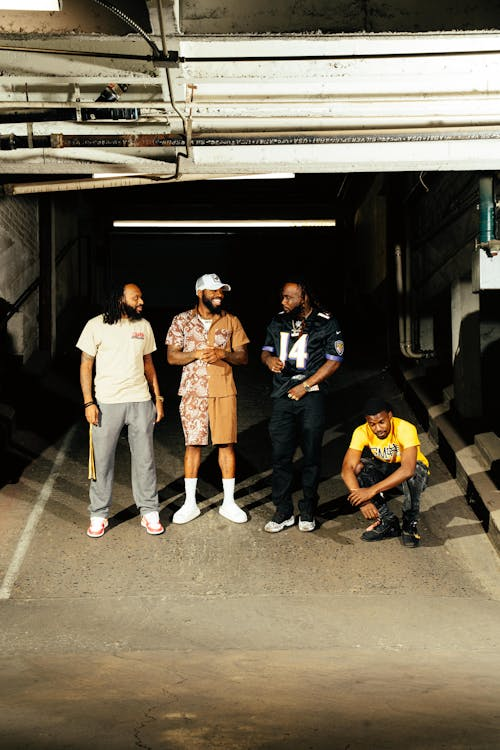
Streetwear is one of the most modern forms of fashion, dating back to the rise of hip-hop in the 1970s. This apparel style defies more traditional forms of fashion with its baggier silhouettes and rougher, more varied textures.
You can recognize streetwear based on how it highlights shinier details with more casual and sometimes even torn apparel. Think of silver chain necklaces paired with acid-washed shirts and torn jeans, or hoodies and baggy jeans paired with nice sneakers and earrings. The apparel style is very relaxed and easy to wear but has a subtle edge to it that gives a unique urban identity.
There are a ton of streetwear brands to this day, but some major names include Off-White and Stüssy. Supreme is also a famous brand of this style.
Casual
The casual style may have some similarities to streetwear, but it has much more suburban and tame energy than other apparel styles. This style dates back to the 1950s in America when economic circumstances and youth culture replaced formal suit wear with comfortable shirts and jeans or cotton trousers, sometimes still paired with blazers or thicker jackets.
The soul of casual wear comes from its comfort. There have been evolutions in shapes and silhouettes, but the main idea behind it is to resemble formal outfits while being easier to wear in daily life. Expect to see polos, shirts, denim, and sweaters when playing around with casual wear.
You can see this style in numerous department outlets, including H&M and Uniqlo. There are a lot of variations within casual wear alone so it’s a great style for clothing brands to experiment with.
Maximalist
Maximalism has had its ups and downs in pop culture, taking inspiration from grand art in the 17th century and symbolizing luxury and excess later on. Nowadays, maximalism is more rooted in sustainability and taking advantage of the clothes and colors you have rather than trimming down and constantly buying new pieces every season, making it one of the more unique apparel styles. However, it still carries that same level of grandiosity and elegance that defines most luxury branding.
Maximalist styles are defined as “more is better.” More textures, more patterns, more color, and more bombast–the shapes are wild and eye-catching and the designs are pure controlled chaos. Furs, dresses, embroidery, patches, and everything eye-catching and colorful can be found in a maximalist’s wardrobe. Notable maximalist brands include Pucci, Rixo, and Everlane.
Minimalist
As the name suggests, minimalism is the polar opposite of maximalism, highlighting restraint and simplicity as common virtues. Dating back to the 1960s as a response to the excesses of the decade, minimalism has polished and refined looks with singular hues and a set amount of textures.
Because of this, minimalism tends to be limited but elegant in its approach to design. Most minimalist apparel goes through monochromatic hues or earth tones, like brown and saturated green, and usually sticks to one fabric or texture throughout the piece. Suits, monochromatic dresses, cloth trousers, and sweaters are all commonplace in minimalist fashion.
Minimalist brands are often associated with luxury, with famous names including Coco Chanel and Calvin Klein. There are numerous others to take as inspiration and it’s generally considered a popular style for luxury or premium branding.
Formal/Professional
It’s how the name describes it–formal wear is worn in formal situations, like work or refined congregations. These are clothes you’d typically find in the office and are usually associated with a level of class and tact that don’t normally come with some other apparel styles. As such, selling formal wear comes with different rules, as they’ll be less about self-expression and more about building a good impression in a professional setting.
When it comes to formal wear, you’re likely to stick to blues, blacks, and whites, with some occasional variation in collared shirts. Suits, blazers, cloth pants, heels, and pencil skirts are the most common offerings of formal wear.
Sports
Sportswear is similarly self-descriptive, mostly focusing on attire that’s comfortable to wear during exercise or rigorous activities. Sportswear isn’t worn solely in the gym or field, though–many sports pieces have been coopted into streetwear and some casual wear, making it suitably flexible for many occasions.
A lot of sportswear is elastic and stretchy, usually incorporating spandex, elastane, or polyester. While style and self-expression are still important, sportswear’s main focus is in comfort and flexibility. That means a lot of shorts, muscle shirts, sports shoes, and other pieces built for movement. Famous sportswear brands include Nike and Adidas.
Prep
College and academia are a fond time for a lot of people, and the styles that pop up from those eras often remain to this day. The prep style is a manifestation of that, being a popular sub-section of casual wear that normally pops up around the college scene. These styles of clothing combine the elegance of formal wear with warmer fabrics like cardigans and scarves as well as some sportswear.
Prep styles thrive in varsity jackets, wrapped around sweaters and various outerwear, along with some scarves and comfortable loafers or monochromatic sneakers. You’ll recognize this look from brands like Tommy Hilfiger and Abercrombie & Fitch.
These are just some of the more popular styles you’ll find throughout the apparel scene. Other styles, like grunge, punk, bohemian, and chic will pop up as well, so be free to explore whatever style suits your brand best.
Want to experiment with your apparel style? Check out our premium collection for more ideas on what to innovate for your next collection.